
The sixth Azerbaijan International Defence Exhibition ADEX, held in Baku from September 30 to October 2, was particularly revealing in terms of how Azerbaijan views the development of its armed forces following the end of the active phase of the Armenian-Azerbaijani conflict. The scale of the event — 277 companies and organizations from 30 countries, 14 national pavilions, and dozens of foreign military delegations — was significant in itself. However, an even more important development was the changing nature of interaction between Baku and international arms manufacturers.
ADEX 2026 can no longer be viewed solely as an exhibition where the state showcases weapons to potential buyers or selects new systems for procurement. Following the 2020 wars and subsequent military operations, Baku has gained an opportunity to reassess its own model of military capability development. The key question is now not only what weapons to acquire, but how to ensure technological superiority in the next generation of conflicts. This is why unmanned systems, loitering munitions, electronic warfare systems, counter-UAS capabilities, intelligence and reconnaissance systems, artificial intelligence, and autonomous platforms occupied such a prominent place at ADEX 2026. This reflects a broader transformation in the very nature of modern warfare.
The experience of Ukraine and other conflicts has demonstrated that the mere possession of expensive platforms no longer guarantees superiority. The ability to rapidly detect a target, transmit information, make a decision, and deliver a strike within a unified intelligence-to-strike architecture has become increasingly important.
This conclusion is particularly important for Azerbaijan. Baku has already gained significant experience in the operational use of UAVs and precision-strike capabilities. The next stage is to move from the use of individual unmanned systems toward the creation of an integrated system in which unmanned aerial vehicles, ground robots, electronic warfare systems, radars, command-and-control systems, and precision weapons operate as a unified complex.
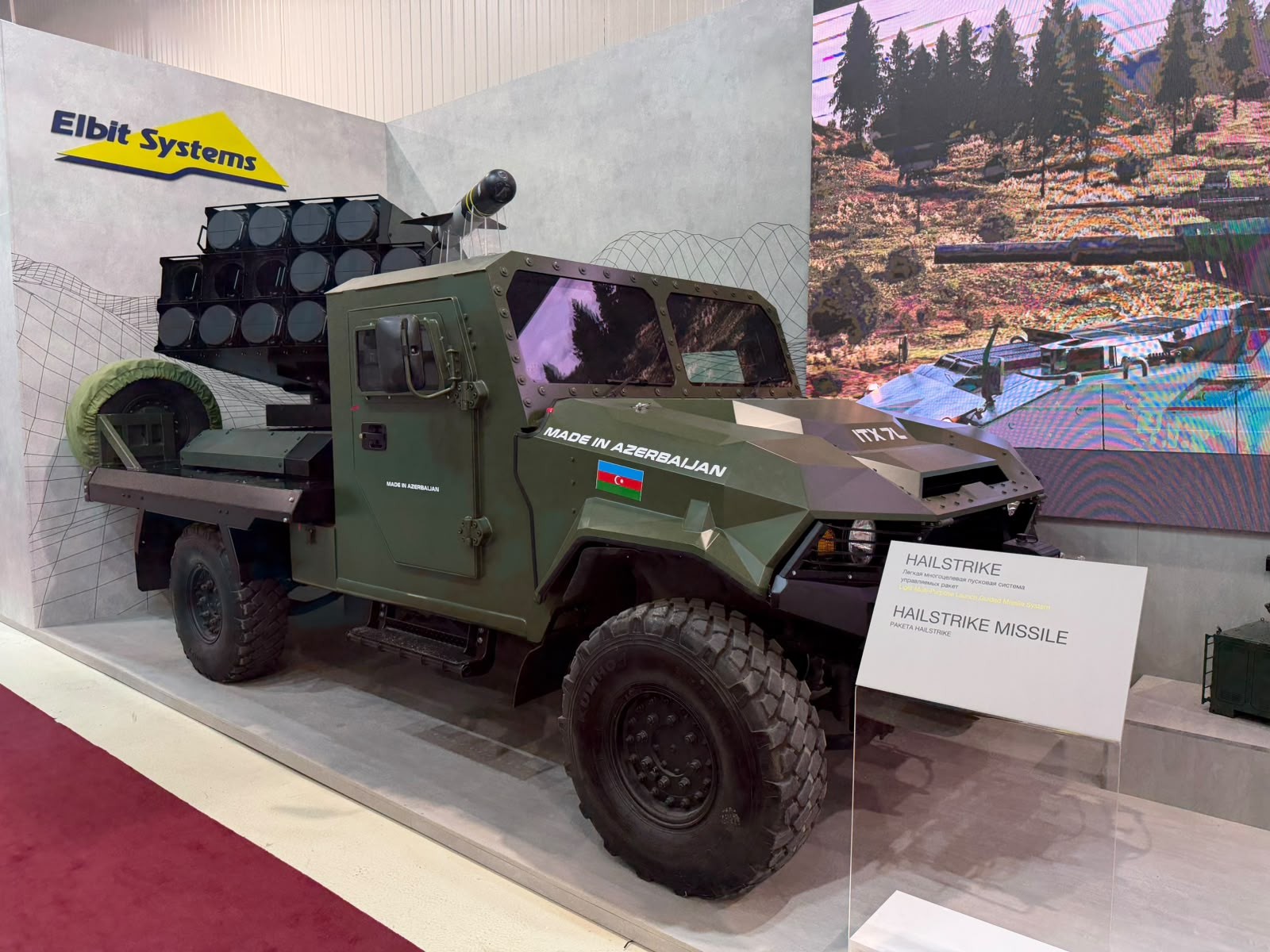
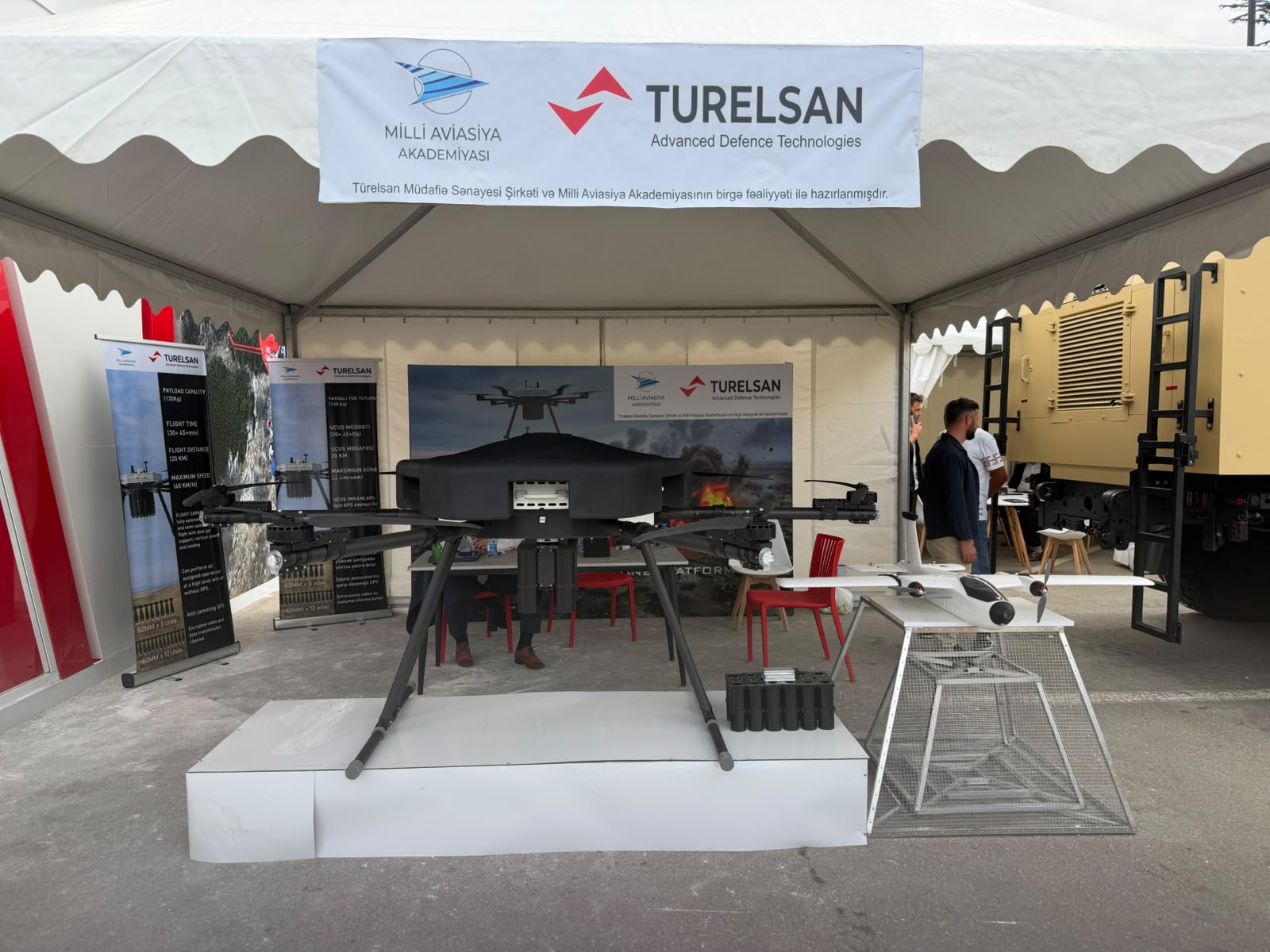
This explains the appearance at the exhibition of new Azerbaijani-developed systems — ranging from loitering munitions to unmanned ground platforms and counter-UAS systems. Their significance lies not so much in the specific characteristics of each individual system as in Baku’s effort to build its own technological chain.
Türkiye Remains the Core, but No Longer the Only Center
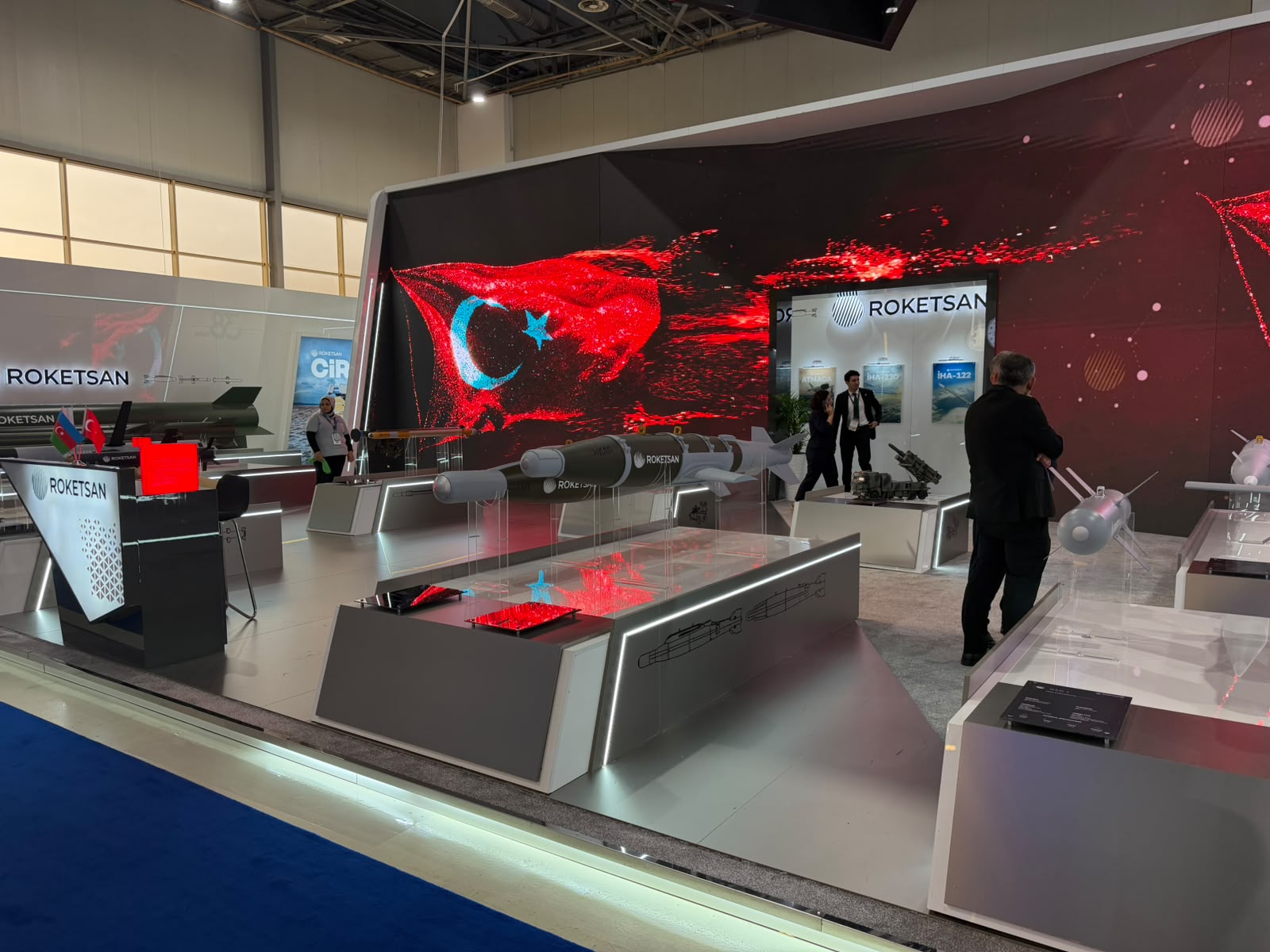
The most obvious element of this strategy remains defence-industrial cooperation with Türkiye. The participation of Baykar, ASELSAN, Roketsan, Turkish Aerospace Industries, and other leading Turkish defence companies demonstrates that the Turkish direction is effectively becoming a central element of the modernization of Azerbaijan’s defence industry.
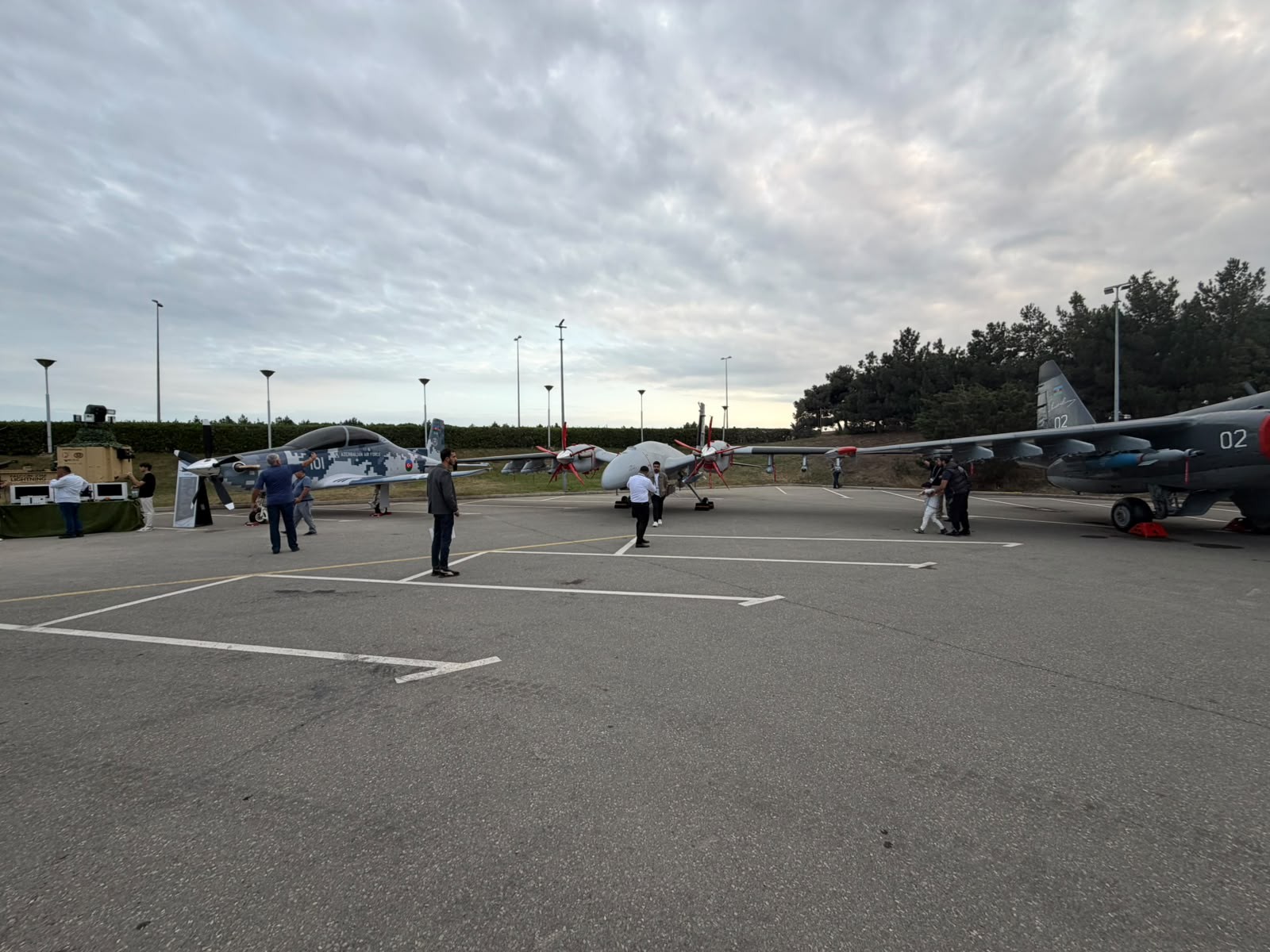
The contract for 14 Hürkuş-II trainer aircraft was particularly significant. However, agreements aimed at developing production capabilities and expanding technological cooperation are far more important than individual equipment deliveries.
If the relationship model previously looked primarily like “Türkiye produces — Azerbaijan acquires”, it is now gradually evolving toward a model of “joint development — localization — production — integration”. This represents a fundamentally important transition.
Azerbaijan is interested not only in obtaining the final product, but also in gaining access to technologies, developing human capital, conducting joint research, and establishing production capabilities within the country.
A telling example is the agreement to establish an ASELSAN plant in Azerbaijan. If such projects are implemented in full, Baku will be able to reduce its dependence on imports of finished products while simultaneously developing into a regional manufacturing hub.
At the same time, it would be misleading to interpret the strengthening of the Turkish direction as Azerbaijan’s withdrawal from other military-technical partners. On the contrary, ADEX 2026 demonstrated the opposite.
Baku Is Not Choosing a Single Supplier — It Is Diversifying Its Technological Sources
American, Turkish, Israeli, Chinese, European, Pakistani, and Russian companies were all represented at the same exhibition venue.
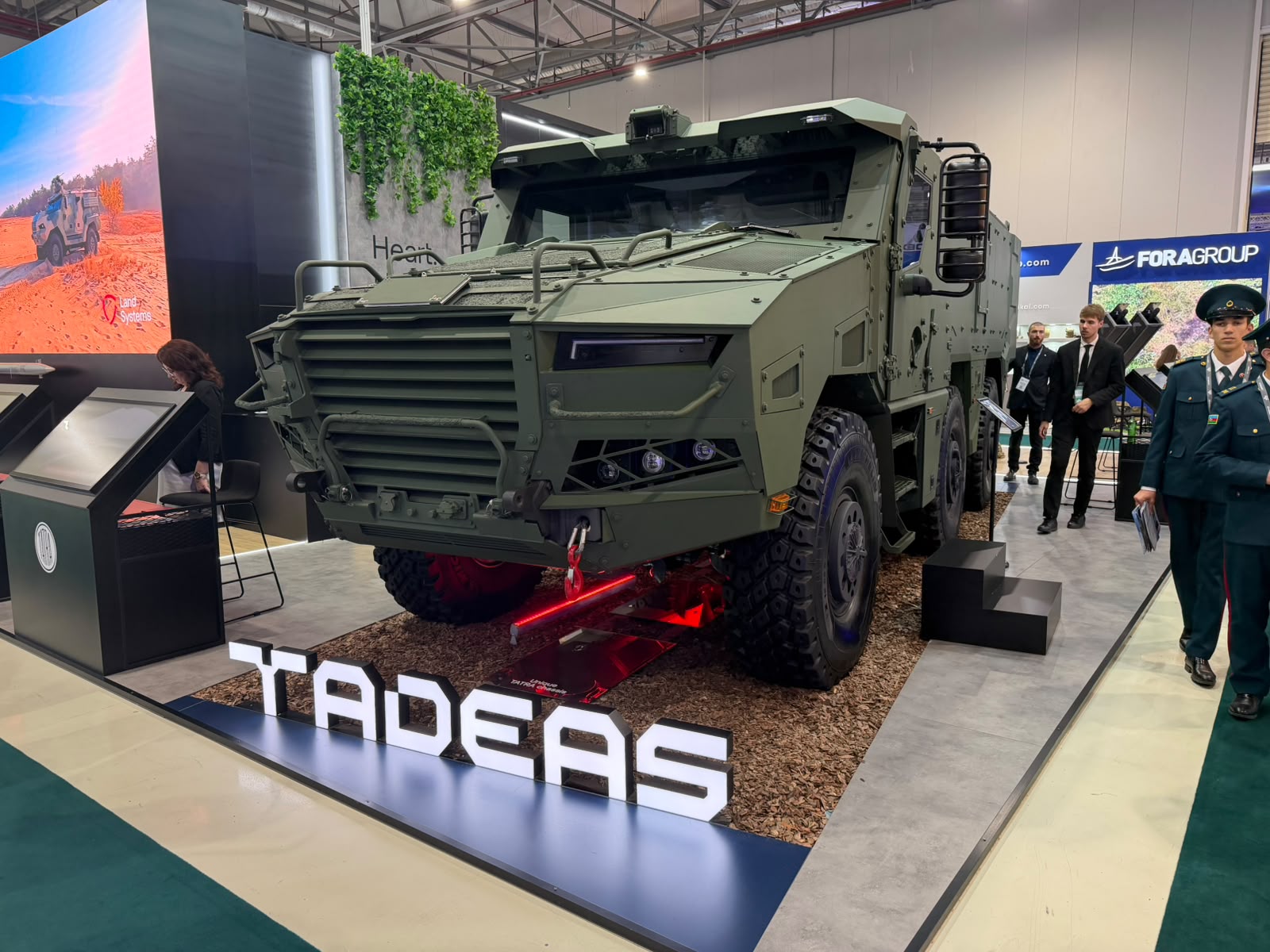
This reflects one of the key features of Azerbaijan’s contemporary defence policy: Baku is not seeking to completely replace one supplier with another. Instead, it is seeking to reduce its dependence on any single centre of military and technological power.
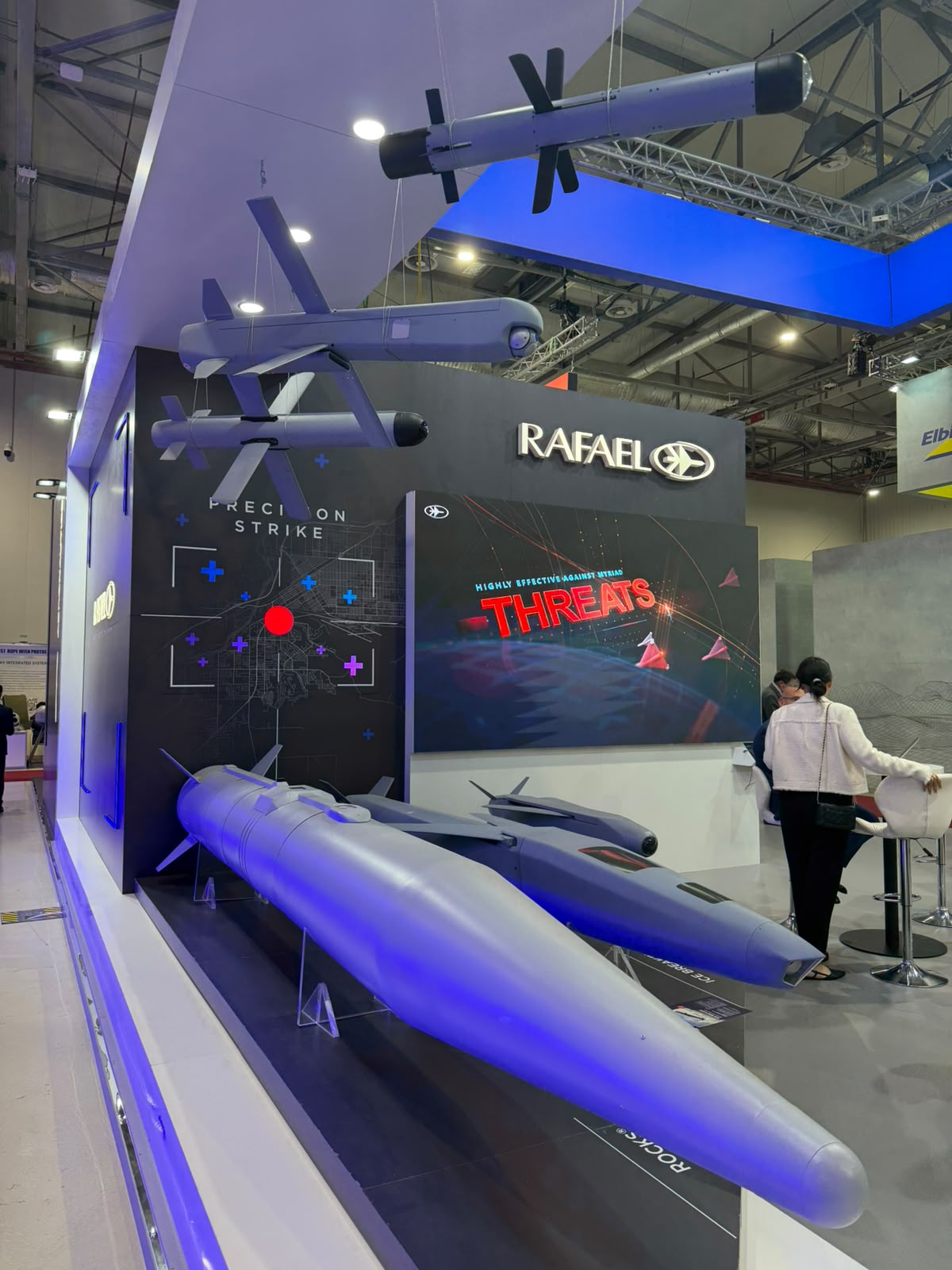
In this context, the participation of US companies is particularly noteworthy. The presence of companies such as Northrop Grumman and Lockheed Martin at ADEX carries significance that extends beyond the marketing of individual systems. The US presence indicates expanding space for military-technical dialogue between Washington and Baku. This is taking place alongside the strengthening of the Turkish, Israeli, and Chinese directions.
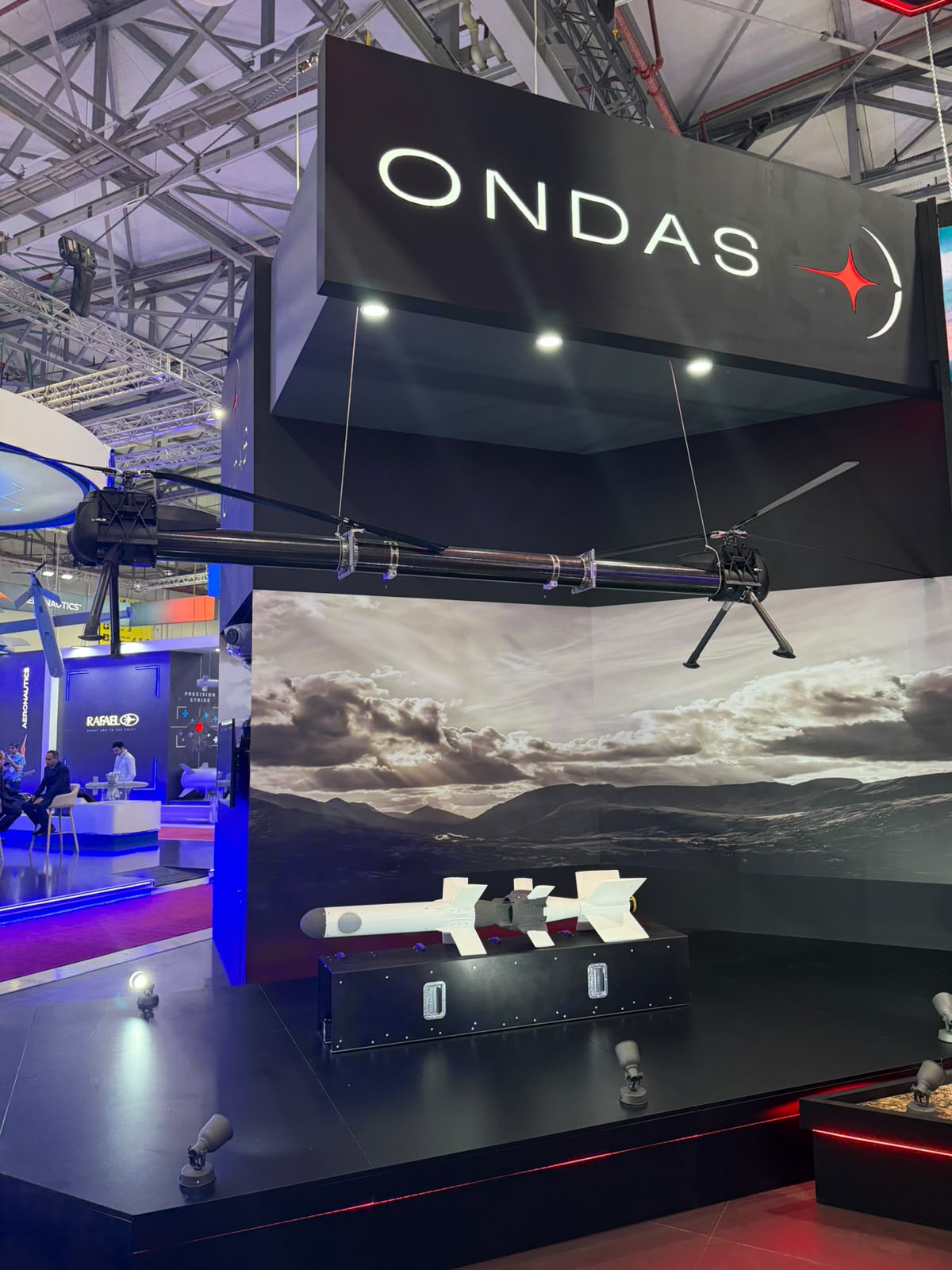
Thus, Azerbaijan is effectively building a multilayered system of technological partnerships:
- Türkiye provides access to a rapidly developing ecosystem of UAVs, missile systems, aviation, electronics, and defence production.
- Israel remains an important source of technologies in the fields of UAVs, intelligence, air defence, radar systems, and precision-strike capabilities.
- The United States potentially opens access to more sophisticated technological solutions and new formats of defence cooperation.
- China represents an alternative source of aviation, missile, unmanned, and air-defence technologies.
- Russia, despite the fundamentally changed geopolitical environment, retains a certain presence in Azerbaijan’s military-technical space.
As a result, Baku gains the ability to compare different technological standards and select solutions based not only on the supplier’s political alignment.
J-10CE and Hürkuş-II: Two Different Development Models
The comparison between the two aviation directions showcased at the exhibition is particularly revealing. On the one hand, China presented a full-scale mock-up of the J-10CE in Azerbaijani Air Force markings. On the other, Türkiye signed an actual contract with Azerbaijan for Hürkuş-II aircraft. These two episodes demonstrate the difference between an offer and an already established model of cooperation.
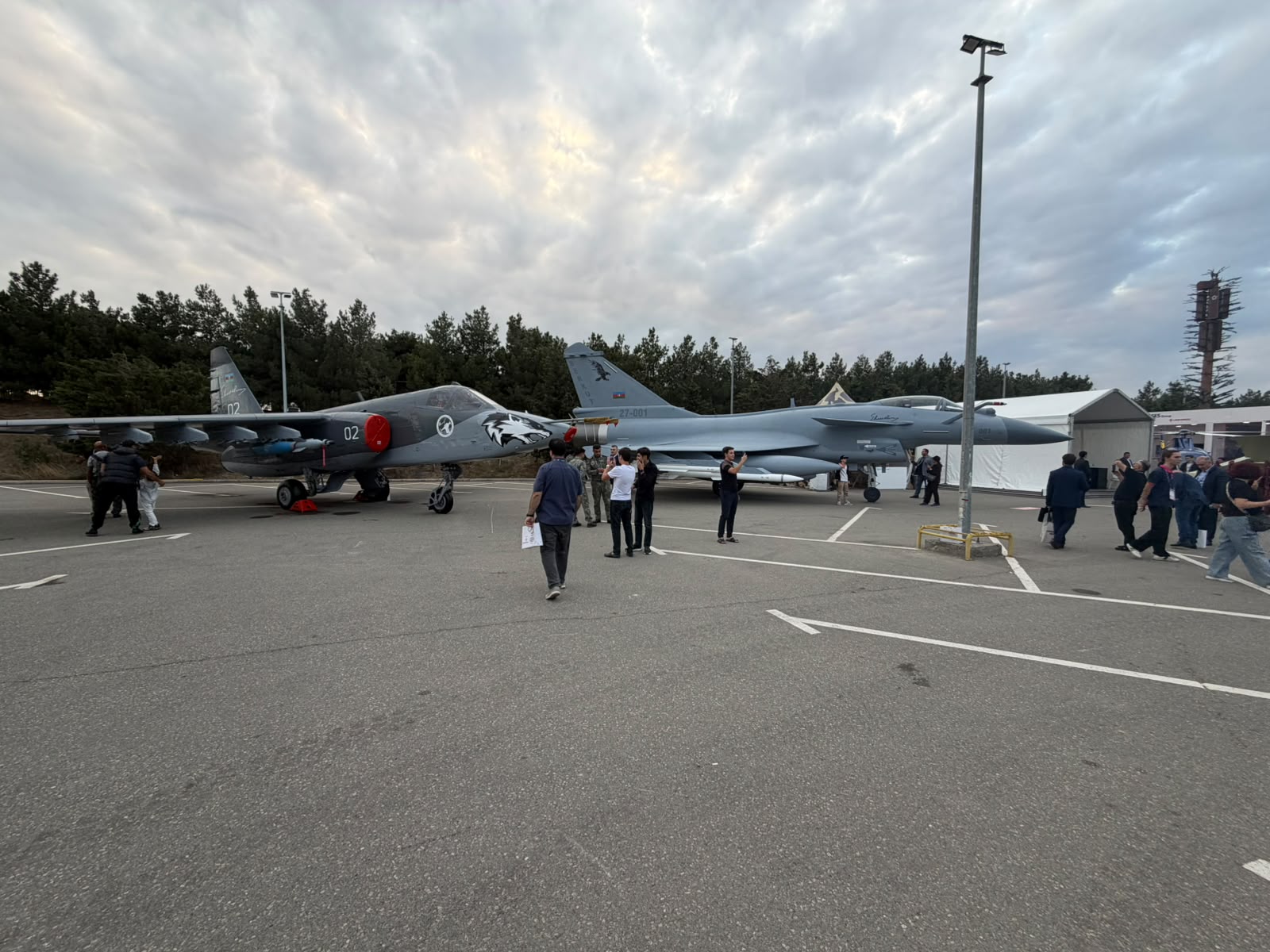
The J-10CE indicates that Beijing views Azerbaijan as a potential market for its military aviation and is seeking to enter a segment traditionally occupied by Russian and Western suppliers. However, the presence of a mock-up does not in itself mean that Baku has made a decision.
The situation with the Hürkuş-II is different: an institutionalized system of Turkish-Azerbaijani military-technical cooperation already exists. This distinction is important for understanding the future of Azerbaijan’s defence market. Judging by the structure of ADEX, Baku is not closing the door to new suppliers, but the deepest forms of cooperation are likely to emerge with partners capable of offering not only weapons, but also technological cooperation.
From Buyer to Producer
The most important trend at ADEX 2026 is the gradual transformation of Azerbaijan’s status. Over the previous decades, Baku invested significant resources in the import of weapons and military equipment. This enabled the rapid modernization of the armed forces, particularly in the areas of unmanned systems, artillery, air defence, and precision weapons. But imports have a fundamental limitation: they create dependence on the manufacturer.
The next logical stage is therefore localization. This is where Azerbaijan’s own UAVs, loitering munitions, unmanned ground systems, counter-drone capabilities, and other indigenous developments come into play. If this policy is pursued consistently, Azerbaijan could move from a model of “importing advanced technologies” to a model of “adapting, producing, and exporting technologies.” This could potentially alter the country’s regional role as well.
Azerbaijan has a geographic advantage at the intersection of Türkiye, the South Caucasus, Central Asia, and the Caspian region. With a developed defence industry, the country could gradually become not only a consumer but also a supplier of certain categories of military equipment to regional states.
The Main Challenge Is Not Production, but Technological Depth
However, there is also a significant limitation. The number of types of products manufactured does not necessarily mean that a fully developed defence-industrial ecosystem exists.
Modern defence production requires not only assembly capabilities, but also an indigenous component base, microelectronics, software, sensors, communications systems, engines, materials, artificial intelligence algorithms, and research and development infrastructure.
For Azerbaijan, therefore, the key question at the next stage is how deep localization will actually become. If localization primarily involves the assembly of imported components, dependence on external suppliers will remain. If, however, the country can gradually bring the development of key components, software, control systems, and sensor technologies inside the country, it will then be possible to speak of genuine military-technological autonomy. ADEX 2026 indicates that Baku is moving in this direction, although the ultimate results of this policy will depend on the country’s ability to invest not only in production, but also in research, education, and engineering talent.