
The victory of Prime Minister Nikol Pashinyan’s party in Armenia’s parliamentary elections has become one of the most significant political developments for the South Caucasus. The election outcome is viewed not only as a determinant of Armenia’s domestic political trajectory but also as a factor that could shape the future of the Armenian–Azerbaijani peace process, regional security, and the implementation of major transport and logistics initiatives.
Today, the South Caucasus is undergoing a profound transformation. Ongoing negotiations between Baku and Yerevan, the development of the Middle Corridor, discussions surrounding new transport initiatives—including the TRIPP project—as well as the evolving balance of power among regional and global actors are collectively reshaping the region’s geopolitical and geo-economic landscape. Against this backdrop, the perspectives of Georgian experts are of particular interest, as Georgia remains one of the principal participants in regional integration processes and a vital transit link connecting Europe and Asia.
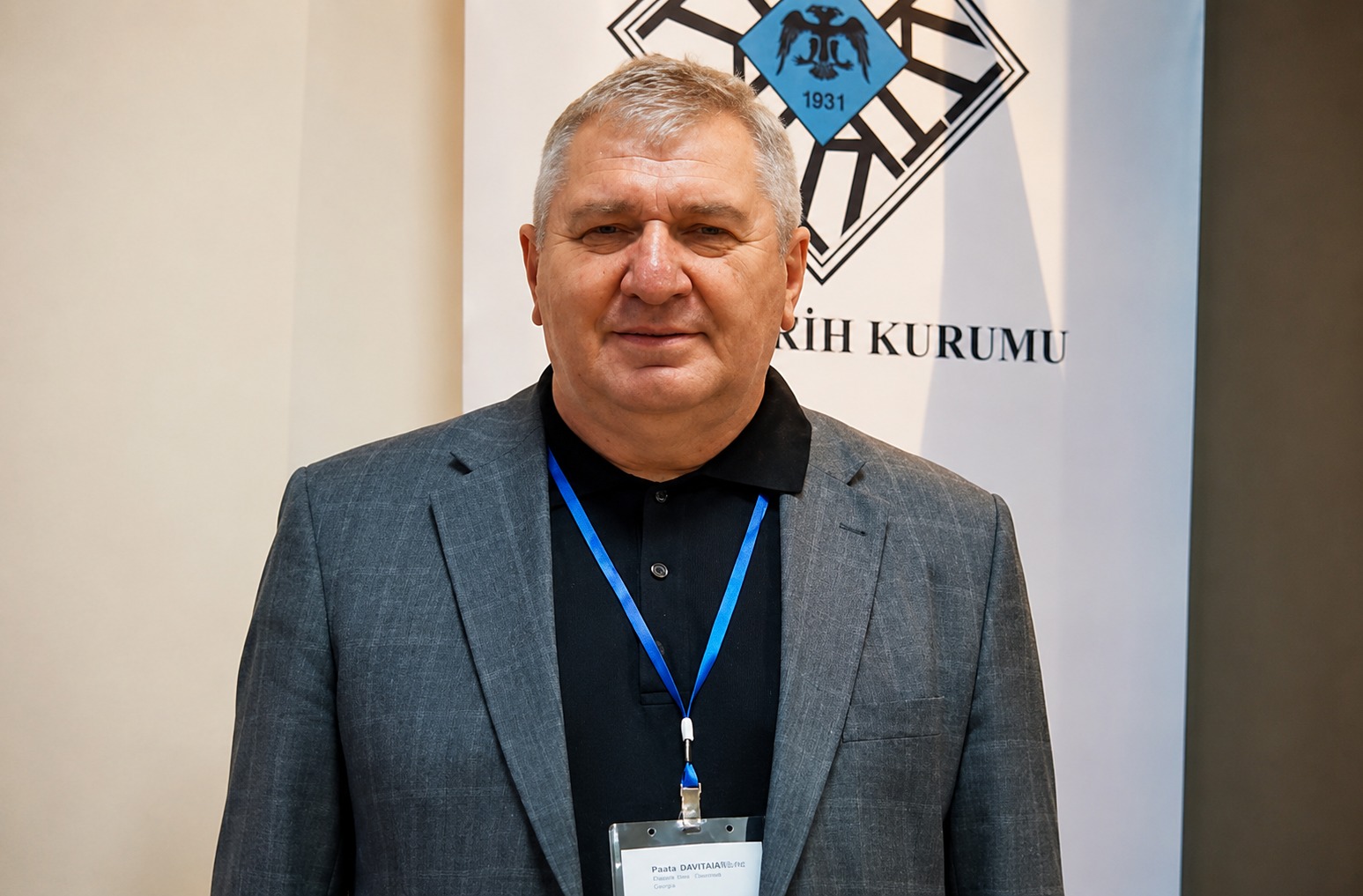
According to Georgian politician and Chairman of the European Democrats party, Paata Davitaia, Nikol Pashinyan’s electoral victory demonstrates that a considerable portion of Armenian society supports the policy of normalizing relations with neighboring states, particularly Azerbaijan. In his view, this creates favorable conditions for advancing the peace process and discussing a comprehensive peace agreement between the two countries.
Davitaia argues that the normalization of Armenian–Azerbaijani relations is of fundamental importance for the stability and development of the South Caucasus. He believes that the implementation of joint transport and infrastructure projects could provide a significant boost to regional economic cooperation while enhancing connectivity across the region.
The expert notes that throughout his election campaign, Pashinyan reaffirmed his commitment to pursuing a peaceful settlement, thereby creating additional momentum for continuing negotiations. Davitaia also emphasizes that regional transport initiatives—including the TRIPP project (the so-called "Trump Corridor"), aimed at improving transportation links across the South Caucasus—could play an important role in this process.
At the same time, he believes that Pashinyan’s policy is focused on finding long-term solutions to the region’s existing challenges. Nevertheless, Davitaia points out that Russia continues to retain substantial influence in the South Caucasus, meaning that future developments will depend not only on the decisions of regional states but also on the broader international environment.
In his opinion, strengthening cooperation among the South Caucasus countries would contribute to greater regional resilience and security. He stresses that expanding mechanisms of cooperation between neighboring states serves the interests of the entire region and creates additional opportunities for its sustainable development.
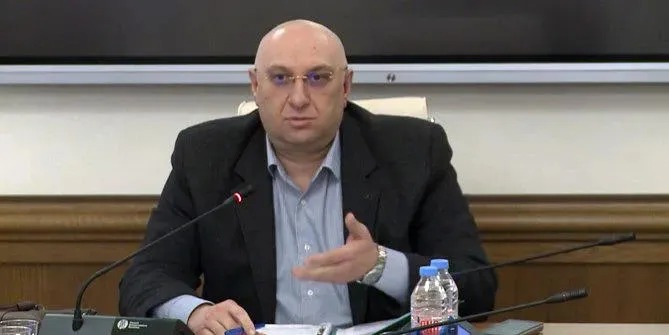
According to Georgian politician and retired colonel David Kartvelishvili, Nikol Pashinyan’s victory creates conditions for maintaining Armenia’s pragmatic foreign policy course aimed at normalizing relations with neighboring countries and integrating more actively into regional economic processes.
Kartvelishvili argues that Azerbaijan and Georgia have already laid the foundation for the South Caucasus’ modern geo-economic architecture through the implementation of key transport, energy, transit, and infrastructure projects. Under these circumstances, further normalization of relations with neighboring states corresponds to Armenia’s long-term national interests and could contribute to reducing regional tensions.
Assessing the prospects for the peace process, Kartvelishvili notes that its future development will largely depend on Armenia’s ability to pursue a balanced foreign policy while taking into account the interests of various international actors. He believes that stronger cooperation among Armenia, Azerbaijan, and Georgia could become a crucial element in shaping a new regional architecture of security and cooperation.
Particular attention is devoted to regional connectivity. According to Kartvelishvili, the greatest importance today lies in the already operational international transport, railway, energy, and digital infrastructure projects that integrate the South Caucasus into East–West trade routes. At the same time, he argues that new initiatives should complement existing infrastructure and be implemented with due regard for both their economic viability and political feasibility.
Commenting on Russia’s role, Kartvelishvili notes that Moscow continues to exert influence in Armenia through established military-political and economic mechanisms of cooperation. Therefore, he believes it would be premature to speak of any substantial decline in Russia’s regional position.
At the same time, he argues that further development of the Middle Corridor, modernization of regional transport infrastructure—including the Port of Anaklia—and expanded economic cooperation could significantly enhance the South Caucasus’ geo-economic importance while creating additional conditions for strengthening regional stability.

According to Georgian political analyst Giorgi Jakhaya, Nikol Pashinyan’s victory opens up additional opportunities for Armenia’s deeper integration into regional and international processes. In his view, the policy of normalizing relations with Azerbaijan and Türkiye is gradually shaping a new model of regional cooperation based on economic integration, enhanced connectivity, and a reduced potential for conflict.
Assessing the prospects for an Armenian–Azerbaijani peace settlement, Jakhaya argues that the political prerequisites for signing a peace agreement have largely been established. In his opinion, achieving lasting peace serves the interests of both countries, as it would enable them to move beyond decades of confrontation toward the development of economic and transport ties while strengthening stability across the South Caucasus.
Commenting on Georgia’s reaction to the Armenian election results, the expert notes that the continuation of Armenia’s normalization policy has generally been received positively, as a stable and economically developing Armenia is in the interest of the entire region. He also emphasizes that Armenia’s expanding cooperation with its European partners objectively increases Georgia’s importance as the principal transit and logistics hub connecting the South Caucasus with Europe.
Jakhaya pays particular attention to the TRIPP project, which, in his view, has the potential to significantly expand Armenia’s transport capabilities and strengthen its role in regional logistics. At the same time, he argues that the emergence of a new transport route should not be viewed solely as competition for Georgia’s existing transit corridors. On the contrary, the development of alternative routes could improve the efficiency of the regional transportation network, encourage infrastructure modernization, and create additional opportunities to expand the South Caucasus’ transit potential.
Regarding Russia’s role, Jakhaya believes that the South Caucasus is experiencing a gradual transformation of the regional balance of power. While Moscow continues to retain influence, he argues that its ability to shape the regional agenda is gradually diminishing under the impact of both external and domestic factors. Under these circumstances, he expects regional cooperation and the emergence of new economic and transport frameworks to play an increasingly important role in determining the future of the South Caucasus.
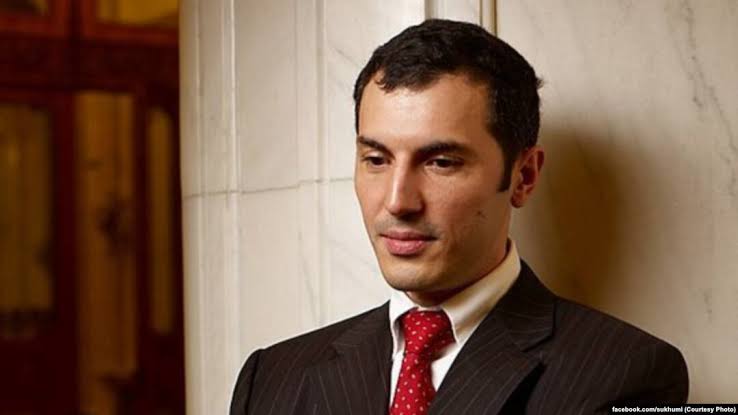
Georgian international relations expert and Doctor of Political Science Irakli Gogava believes that respect for the choice of the Armenian people should remain the guiding principle in Georgian–Armenian relations. According to him, regardless of the election outcome, Tbilisi remains committed to developing good-neighborly relations with Yerevan, as stability and cooperation serve the interests of the entire South Caucasus.
Assessing the prospects for signing a peace agreement between Azerbaijan and Armenia, Gogava argues that favorable conditions currently exist for achieving a sustainable peace. In his opinion, today’s regional realities objectively encourage the search for mutually acceptable solutions and create opportunities to move from confrontation toward cooperation.
The expert emphasizes that long-term regional stability should not be measured solely by political agreements but also by improvements in people's quality of life, economic development, and the expansion of humanitarian cooperation.
Gogava places particular emphasis on regional connectivity. According to him, the development of East–West and North–South transport routes, together with the integration of road, railway, maritime, and logistics infrastructure, could substantially enhance the South Caucasus’ competitiveness. Within this context, he views the TRIPP project as part of a broader regional communications network, stressing that its full potential can only be realized through the complementary development of all transport corridors.
Commenting on Russia’s role, Gogava notes that Moscow remains one of the key actors in regional affairs, making it premature to speak of its complete displacement from the South Caucasus. At the same time, he argues that regional states should pursue the most pragmatic foreign policy possible, avoiding involvement in geopolitical rivalries among external powers while focusing instead on developing their own mechanisms of cooperation.
Looking ahead, Gogava envisions the South Caucasus as a space of economic connectivity, where the development of transport corridors, trade, and regional cooperation will provide the foundation for sustainable growth. In his view, only durable peace, economic integration, and mutually beneficial cooperation can fully unlock the region’s transit and geo-economic potential.

According to Georgian political analyst Omar Ardashelia, Nikol Pashinyan’s victory indicates continued public support for the policy of normalizing relations with neighboring countries, particularly Azerbaijan. In his view, the election results create favorable political conditions for advancing the peace process and strengthening regional stability.
At the same time, the expert notes that the future of the Armenian–Azerbaijani dialogue will depend both on Armenia’s domestic political situation and on the broader international environment. According to Ardashelia, the positions of the country’s main political forces, public opinion, and the policies of external actors—above all Russia—will all play a significant role.
Despite the remaining challenges, he believes that Armenia’s leadership continues to demonstrate a genuine commitment to reaching a long-term peace agreement that could open new opportunities for economic cooperation and contribute to building a more sustainable regional security architecture.
Assessing the significance of Armenia’s elections for the South Caucasus, Ardashelia argues that the emergence of a new framework for regional cooperation is in the interest of every country in the region. However, he stresses that its practical implementation will ultimately depend on the willingness of regional states to establish mutually beneficial partnerships and consistently implement the agreements they reach.
The expert also highlights the TRIPP project, describing it as one of the promising instruments for strengthening regional connectivity. In his opinion, the initiative could facilitate the expansion of transport and trade links throughout the South Caucasus. However, its success will depend on taking into account the interests of all participating countries and ensuring their meaningful involvement in its implementation. Ardashelia believes that with Georgia’s active participation, the project could become an additional driver of the region’s economic cooperation with international partners.
Commenting on the future of Russian influence, Ardashelia notes that Moscow continues to possess substantial political, economic, and military instruments of influence in the South Caucasus. Nevertheless, he argues that Russia’s future role will depend less on the existence of these resources than on the nature of its regional policy following Armenia’s parliamentary elections.
Jondi Baghaturia, Chairman of the Georgian Assembly party, Georgian political analyst, and public figure, believes that Armenia’s future foreign policy trajectory will largely depend on both domestic political developments and the broader international environment. In his view, it is still premature to make definitive predictions about Nikol Pashinyan’s future course, as developments will be shaped by a combination of regional and global factors.
Speaking about the prospects for an Armenian–Azerbaijani settlement, Baghaturia argues that achieving a sustainable peace requires careful consideration of the interests of all South Caucasus states, accompanied by a balanced and pragmatic foreign policy. He believes that long-term regional stability cannot be achieved without strengthening mechanisms of regional cooperation and maintaining a balance among the interests of both regional and external actors.
The expert places particular emphasis on the formation of a new regional security architecture. According to him, Azerbaijan, Armenia, and Georgia should intensify coordination among themselves while simultaneously maintaining constructive dialogue with the region’s principal external stakeholders—Russia, Türkiye, and Iran. In this context, Baghaturia views regional cooperation frameworks, including the 3+3 Platform, as one of the possible mechanisms for discussing both security issues and economic cooperation.
Baghaturia further notes that, despite changes in the international environment, Moscow continues to possess significant political, economic, and military-strategic leverage in the South Caucasus. In his opinion, this factor must be taken into account when shaping a long-term regional strategy, with priority given to pragmatic dialogue and the prevention of new sources of tension.
In conclusion, Baghaturia emphasizes that the sustainable development of the South Caucasus will depend on preserving a balance of interests, strengthening regional cooperation, and pursuing a pragmatic foreign policy focused on ensuring peace, security, and economic development.