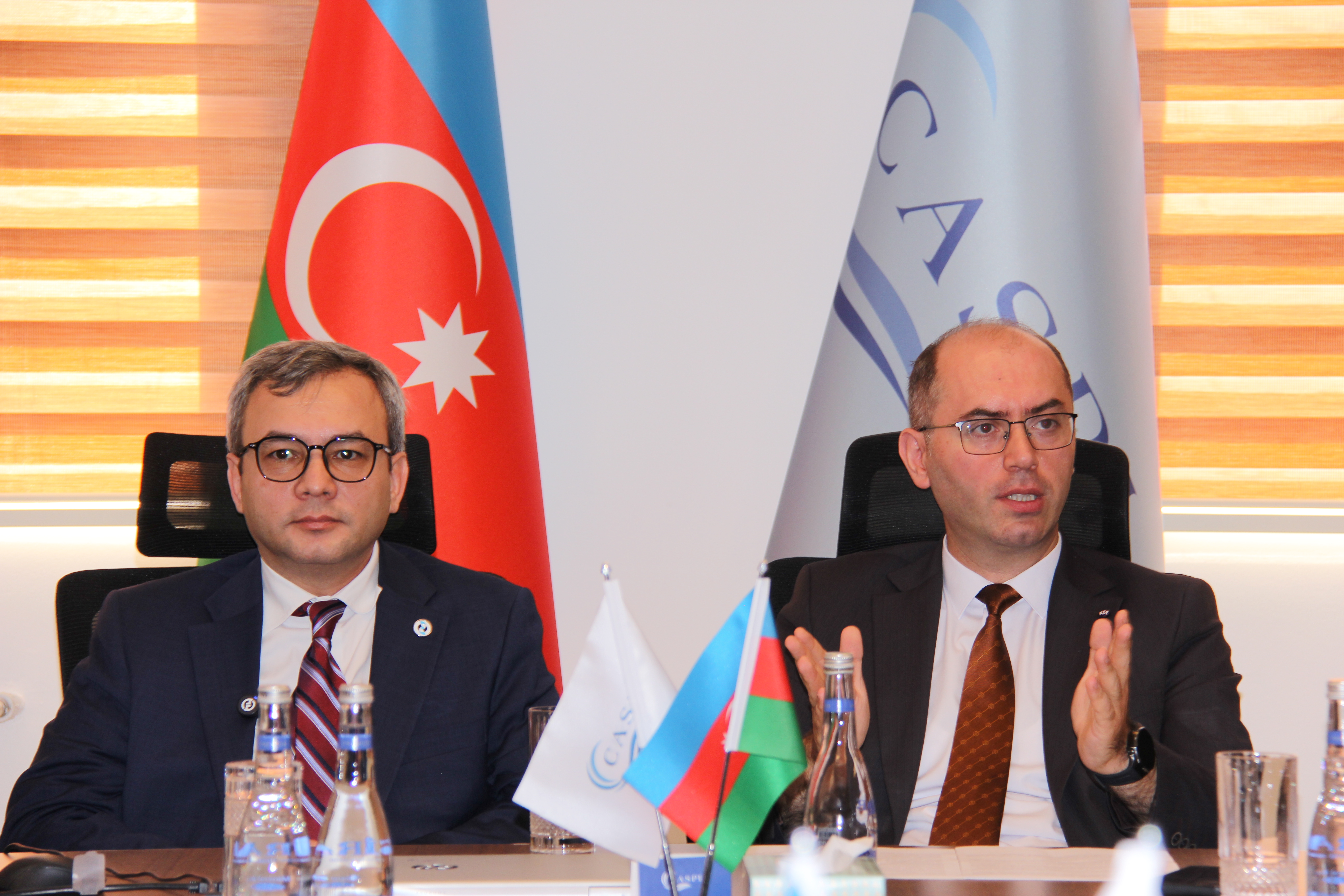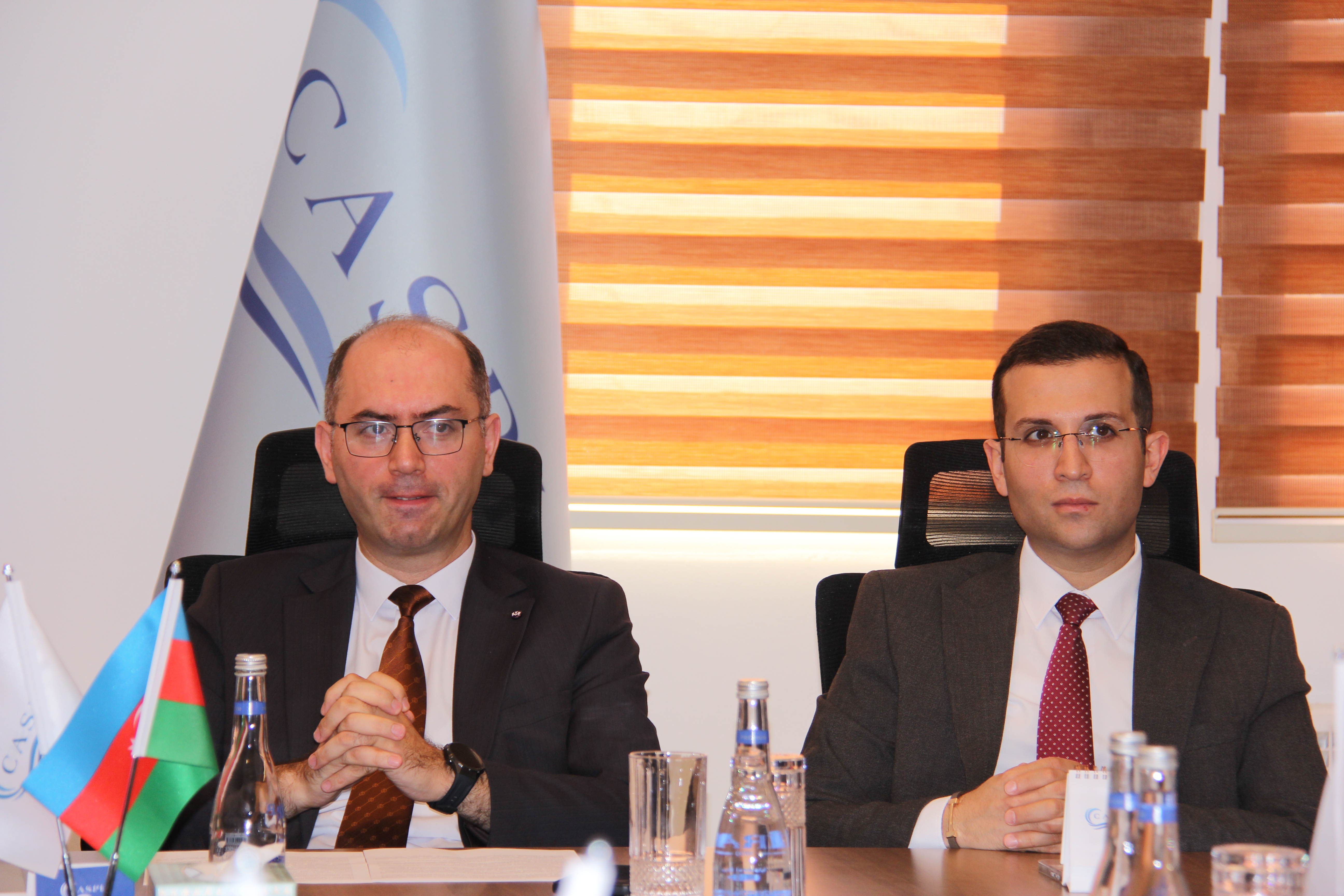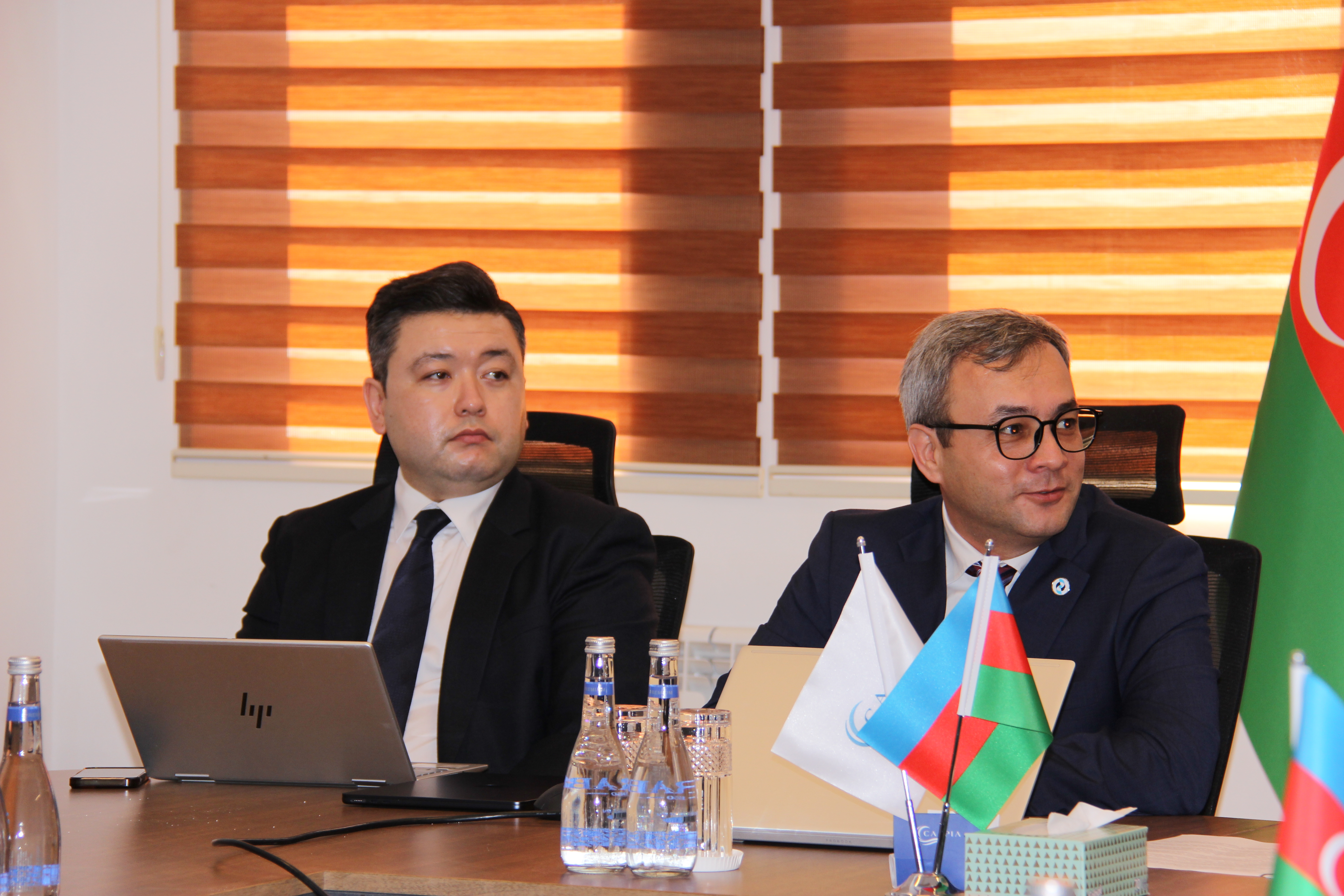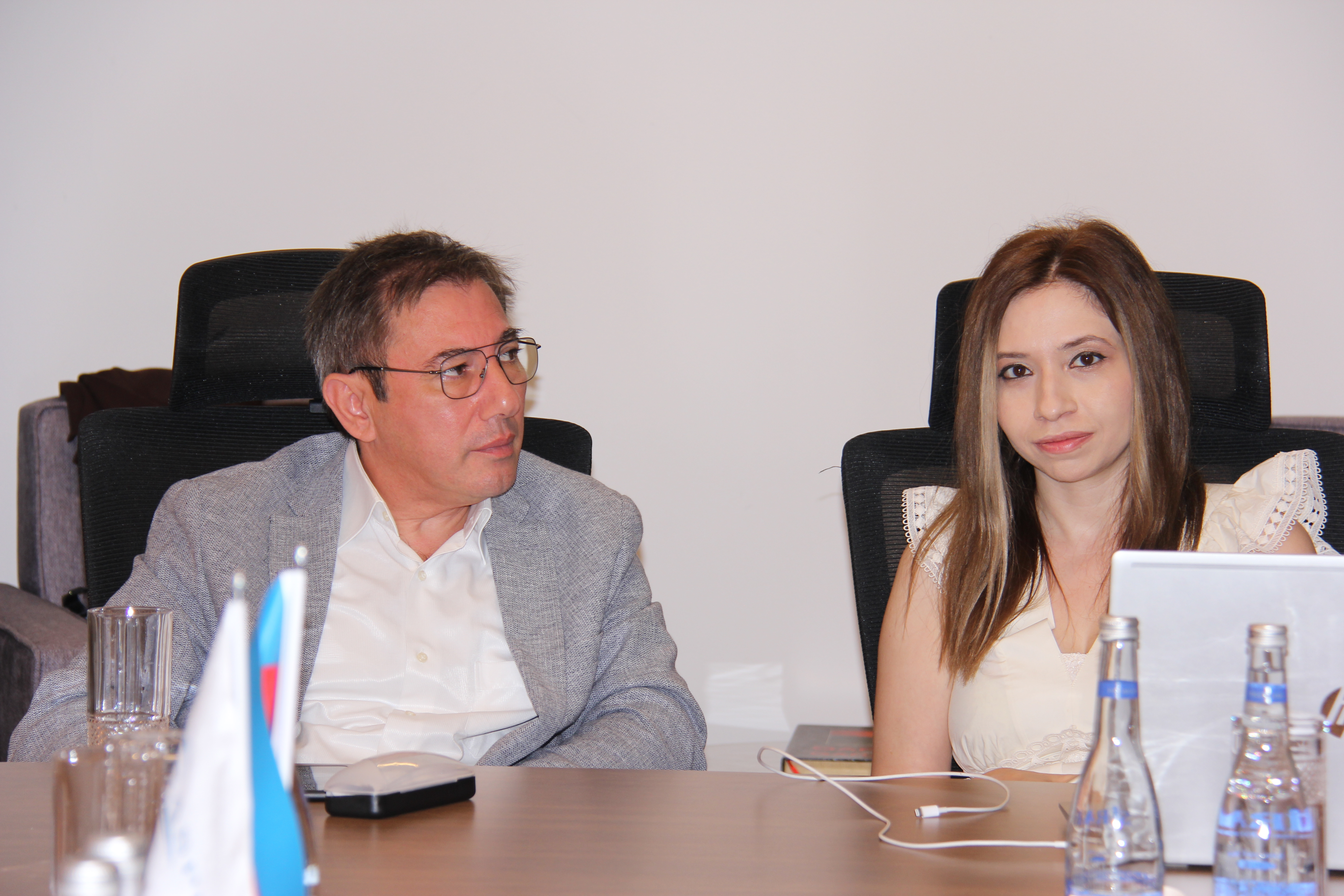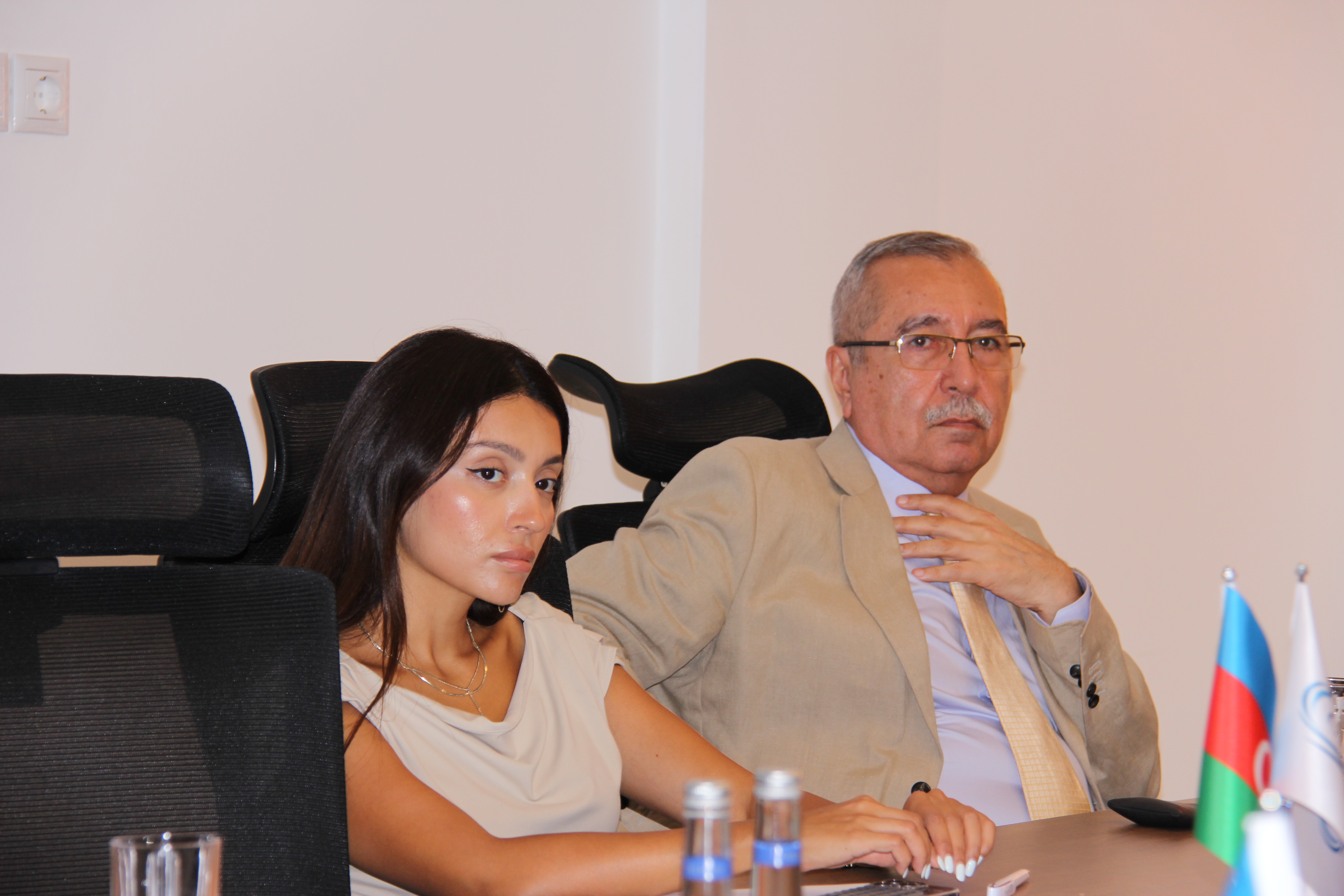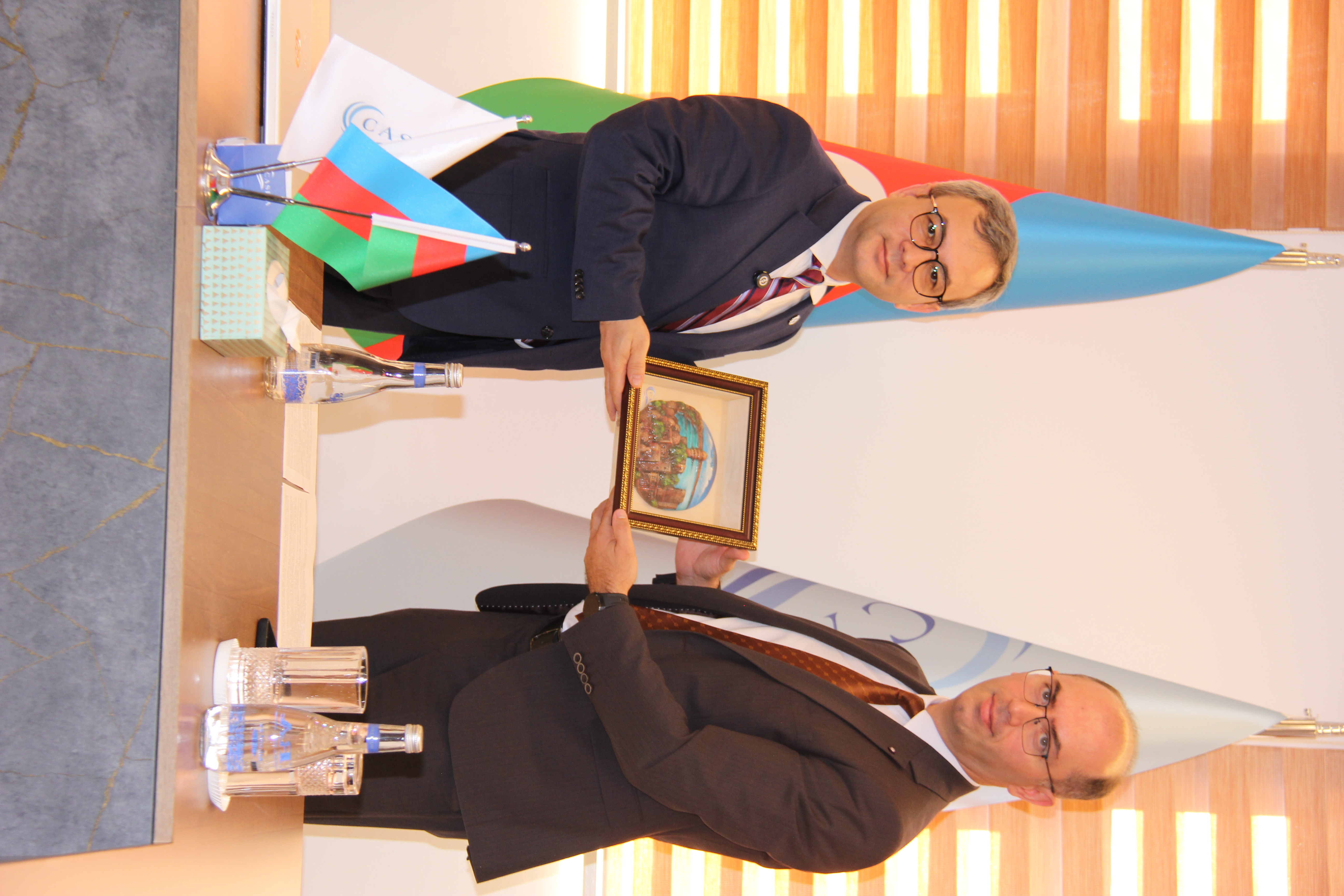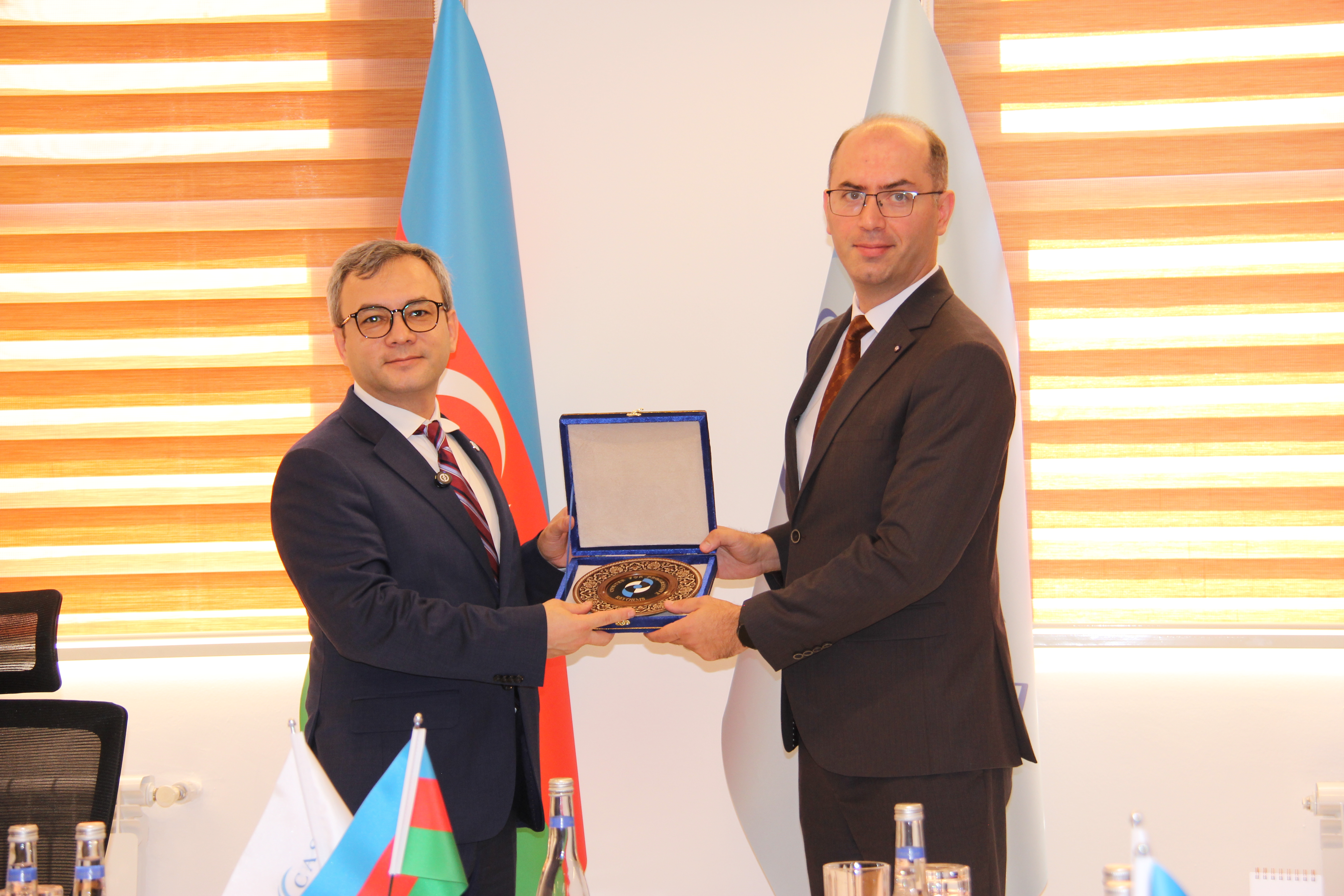
The CASPIA Analytical Center hosted the presentation of a new joint initiative by CASPIA and Uzbekistan’s Center for Progressive Reforms (CPR) — the Azerbaijan–Uzbekistan Business Barometer. The event was attended by CPR Director Mirshohid Aslanov, as well as representatives of the expert and business communities.
The new platform is designed to regularly monitor the real needs of businesses in Azerbaijan and Uzbekistan, identify existing barriers, and determine new opportunities for expanding trade and economic cooperation between the two countries.
During the presentation, Mirshohid Aslanov highlighted the significant growth in economic ties between Azerbaijan and Uzbekistan. According to him, while bilateral trade stood at approximately $10–15 million around a decade ago, it has now reached approximately $800 million, including around $300 million in regular merchandise trade and $508 million in trade in precious metals.
At the same time, he noted that the current volume of trade does not yet reflect the full potential of the two markets. A joint analysis by CASPIA and CPR indicates that Uzbekistan could potentially increase its exports to Azerbaijan by approximately $500 million, while Azerbaijan’s additional export potential to Uzbekistan exceeds $650 million.
“Overall, bilateral trade could easily exceed $1 billion,” Aslanov said. He stressed, however, that statistics alone are not sufficient to unlock this potential. Businesses need access to detailed information on potential partners, products, certification requirements, customs procedures, tariffs, logistics, and other conditions for entering each other’s markets.
In this context, one of the key objectives of the Business Barometer will be to build an information ecosystem that enables importers and exporters in both countries to access the data they need more quickly and make practical business decisions.
Particular attention will be given to small and medium-sized enterprises, for which entering a new market is often complicated by limited information about potential demand and applicable procedures. As the CPR head noted, such information needs to be made as accessible and understandable as possible to companies regardless of their size or region of operation.
Another area of focus will be the digitalization of interaction between businesses and government institutions, including the mutual recognition of documents, certification, and the advance exchange of necessary information. According to Aslanov, this could help reduce the time required for goods to clear relevant procedures and lower business costs.
The initiative will also place significant emphasis on the Middle Corridor, transport infrastructure, and logistics opportunities that could further expand trade and economic ties between Azerbaijan and Uzbekistan.
At the same time, the project is intended to go beyond the analysis of finished products. According to Aslanov, the next stage of cooperation could involve the development of joint production chains bringing together Azerbaijan, Uzbekistan, and other countries in the region.
“Azerbaijan and Uzbekistan can move from expanding bilateral trade towards creating joint production chains oriented towards third-country markets,” he said.
According to Aslanov, combining Uzbekistan’s industrial potential with Azerbaijan’s transit capabilities creates a foundation for joint production and subsequent access to larger international markets. One promising approach could involve companies in different countries specializing in the production of individual components and subsequently integrating them into a shared value chain. This model could be expanded to Central Asian countries and the Organization of Turkic States, helping to create more competitive regional production networks.
Aslanov also stressed the need for a deeper assessment of countries’ production capabilities — not only in terms of finished goods, but also components, raw materials, materials, and individual technological processes. In his view, such detailed information is essential for identifying promising areas of industrial cooperation.
Orkhan Yolchuyev, Director of the CASPIA Analytical Center, noted in turn that the further development of Azerbaijan–Uzbekistan relations should be assessed not only through trade volumes but also through the quality of economic ties. At this stage, he said, it is important to understand how easily businesses in the two countries can find partners, launch joint projects, and translate agreements reached at the intergovernmental level into actual investments and commercial initiatives.
“This is not only about measuring the volume of trade, but also about assessing the quality of economic ties,” Orkhan Yolchuyev emphasized.
The Azerbaijan–Uzbekistan Business Barometer will be updated monthly based on interviews with companies, surveys of business representatives, and analysis of economic data. The platform will examine export and import procedures, customs clearance, tariff preferences, documentation and certification requirements, technical and sanitary standards, logistics, and transport corridors.
The initiative is intended to establish a permanent mechanism for information exchange between the business communities of Azerbaijan and Uzbekistan and to support the development of new partnerships, investment projects, joint production initiatives, and trade and logistics opportunities.
In the longer term, the Business Barometer is expected to become a practical instrument for moving beyond the growth of bilateral trade towards the development of deeper and more sustainable economic ties between the two countries.